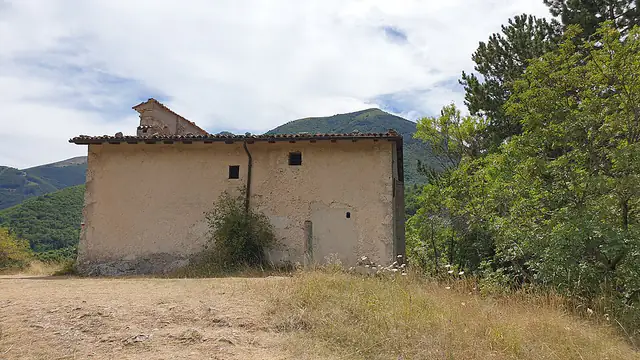
Hermitage of Sant'Egidio
AbruzzoA small country chapel on a hill at about a thousand metres, between the village and the lake, reached only on foot. From the hill you see Lake Sca…

Original name: Lago di Scanno
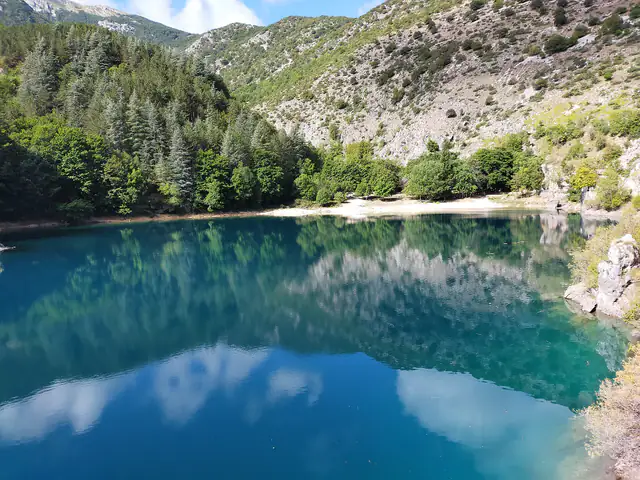
The largest natural lake in Abruzzo, at 922 metres in the Sagittario valley: from above it is shaped like a heart, close up it has colours that change with the light, the hours and the seasons.
A small country chapel on a hill at about a thousand metres, between the village and the lake, reached only on foot. From the hill you see Lake Sca…
A stone village left half-standing, with ruined houses, the remains of a bell tower and Lake Scanno below. Frattura Vecchia is the village that the…
A little white church between the rock and the shore, perched above the water: it keeps a story of travellers and winter nights.
The route on the paved road is about five kilometres and almost flat: take it slowly, stopping on the shores and at the viewpoints.
A small freshwater reptile, reported here but rare.
It is the season of the water: pedalos, canoes, picnics on the shores and, for those who want, a swim in the cool water.
The largest natural lake in Abruzzo, at 922 metres in the Sagittario valley: from above it is shaped like a heart, close up it has colours that change with the light, the hours and the seasons.
Lake Scanno (Lago di Scanno) lies at the foot of mountains dark with beech and rock, minutes from Scanno, and you only need to come once to understand why it has become the image of Abruzzo. It is not an artificial reservoir: it is a real lake, born from a landslide. You walk round it in an afternoon, look at it from a viewpoint after an hour's walk, cross it by pedalo in summer. And if you know it in autumn, when the woods blaze over the water, you will hardly forget it.
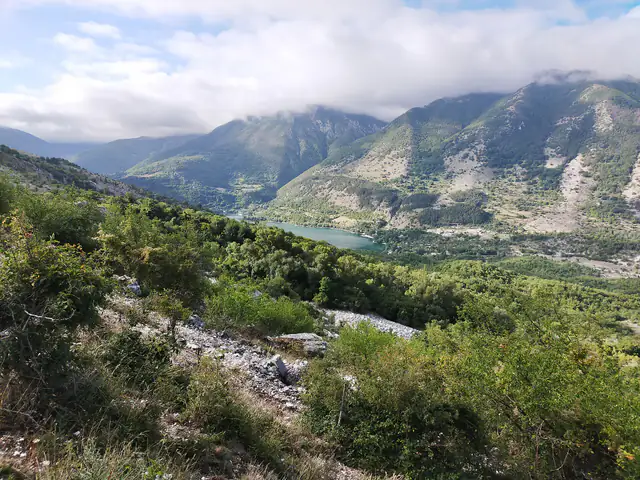
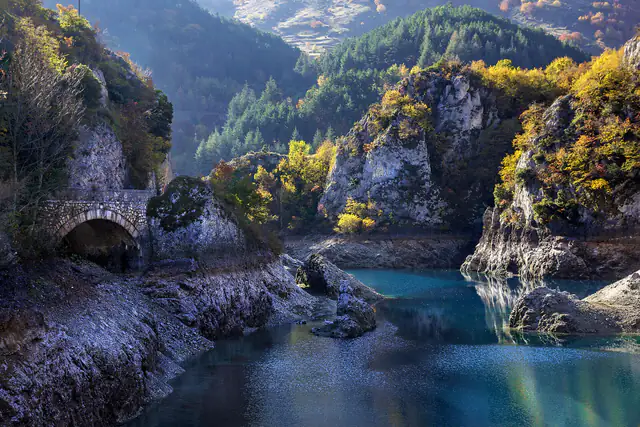
The lake occupies a basin in the upper Sagittario valley, in the province of L'Aquila, on the edge of the Abruzzo, Lazio and Molise National Park. To reach it from the valley you drive up through the Sagittario Gorges, between rock walls tens of metres high: then the valley opens up and the water appears, with Scanno higher up, on the slope. Around it rise the Montagna Grande and Monte Genzana, which on clear days are mirrored in the water.
The yellow route follows the roads and links Lake Scanno to nearby places; the dotted line is the short connection from the road to the place.
Data: © OpenStreetMap contributors (ODbL) · Relief from AWS Terrain Tiles (SRTM, EU-DEM and other open sources).The lake's story is the story of a mountain falling. In prehistoric times a great landslide broke away from the slope and blocked the course of the river Tasso: the water built up behind the barrier and filled the basin. The sources disagree on when it happened, between a few thousand and over twelve thousand years ago, and on the mountain from which the material came, the Rava or the Genzana; an old attribution to an earthquake described by Roman historians is now doubted.
What is known is that the lake is small and deep: about one square kilometre of surface, up to some thirty metres deep (measurements vary from one source to another and with the seasons). It is fed by the Tasso, its main inflow; the water leaves through the limestone rock, in karst fashion, and then reappears as the Sagittario.
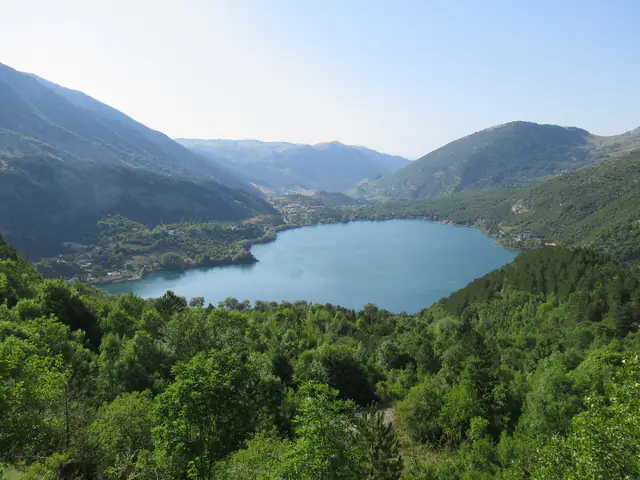
From the shore the lake is a beautiful stretch of water, but the heart cannot be seen: you have to climb. Seen from above, the basin has an almost symmetrical outline, with a small notch at the top, exactly like the symbol. The best point to see it is the Belvedere del Cuore (Heart Viewpoint), reached on foot along the Sentiero del Cuore (Heart Trail): from above the shape reads at a glance and the photograph takes itself.
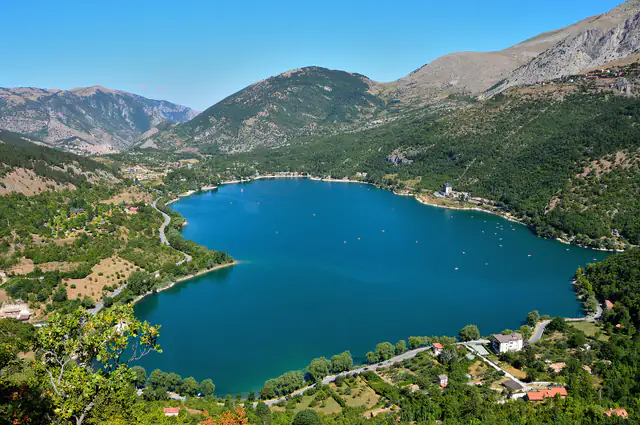
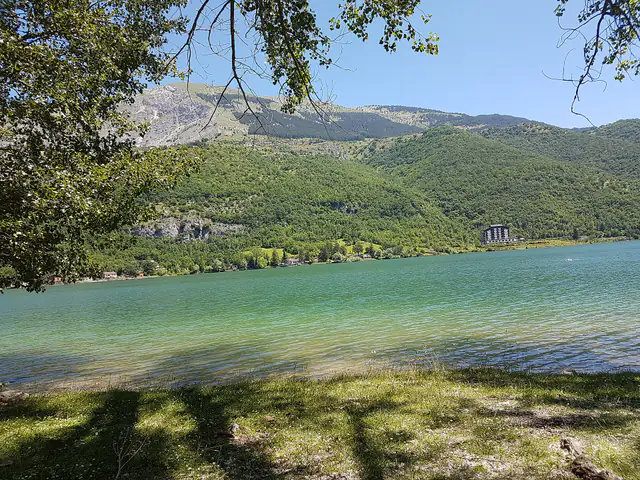
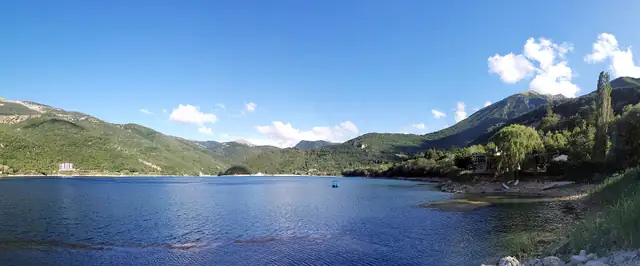
The simplest way to get to know it is to walk around it. The route on the paved road is about five kilometres, almost flat, and is done on foot or by bicycle without hurry. You pass through reedbeds, willows and poplars, in front of spots where the water turns emerald green and others where the rock is mirrored. On the shores people picnic and, in the warm season, swim in the cool water; in summer you can hire pedalos, canoes and bicycles.
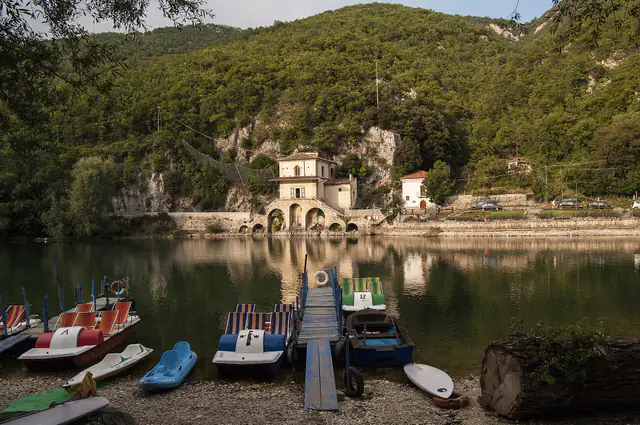
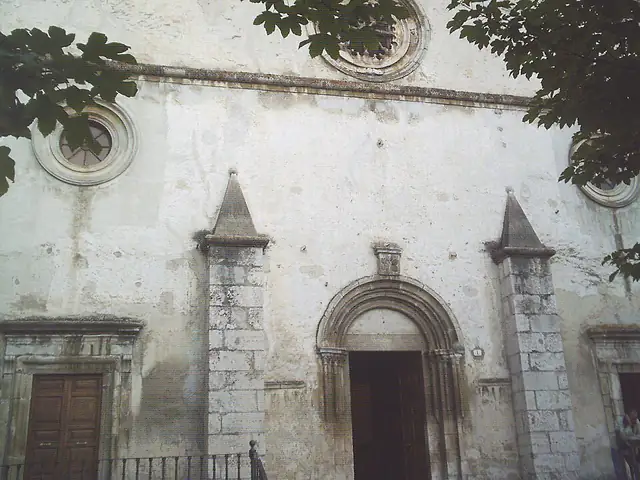
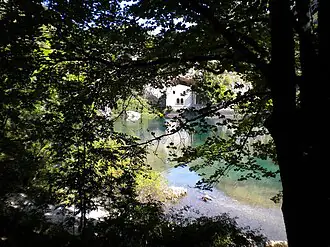
On the shore, between the rock and the water, stands the church of the Madonna del Lago: a little white church perched above the lake, which you notice at once. It tells a story of travellers and winter nights: according to tradition, a small statue of the Madonna was placed in a natural niche along a dangerous path, to protect those passing by. In the sixteenth century tales of extraordinary events began; in 1697 it was decided to build a chapel, consecrated in 1702. In 1979 the statue was stolen and the following year replaced by a copy.
The Sentiero del Cuore starts from the road running along the lake, enters the wood and climbs to a viewpoint near the hill and the hermitage of Sant'Egidio, at about 1,100 metres: from there you see the shape of the lake, and the village too. The climb takes about an hour, the descent three quarters of an hour and the guidebooks rate it easy. The starting points, the stops, the times and the best season are in the guide to the Sentiero del Cuore.
The lake is small but hosts surprising wildlife. Around the water grow reedbeds of common reed, willows and poplars, with a lime tree where the Tasso enters. Birds are its greatest attraction: mallards and coots on the surface, and high above peregrine falcons, marsh harriers and nocturnal raptors; that is why it is a place for binoculars. In the water live brown trout, perch and pike, and the rare European pond turtle is reported. On the west shore, near the picnic areas, you also meet the odd domestic goose. In the surrounding woods, in the Park's territory, live the Apennine wolf and the Marsican bear: meeting them is very rare, but they are the reason why people walk here with respect.
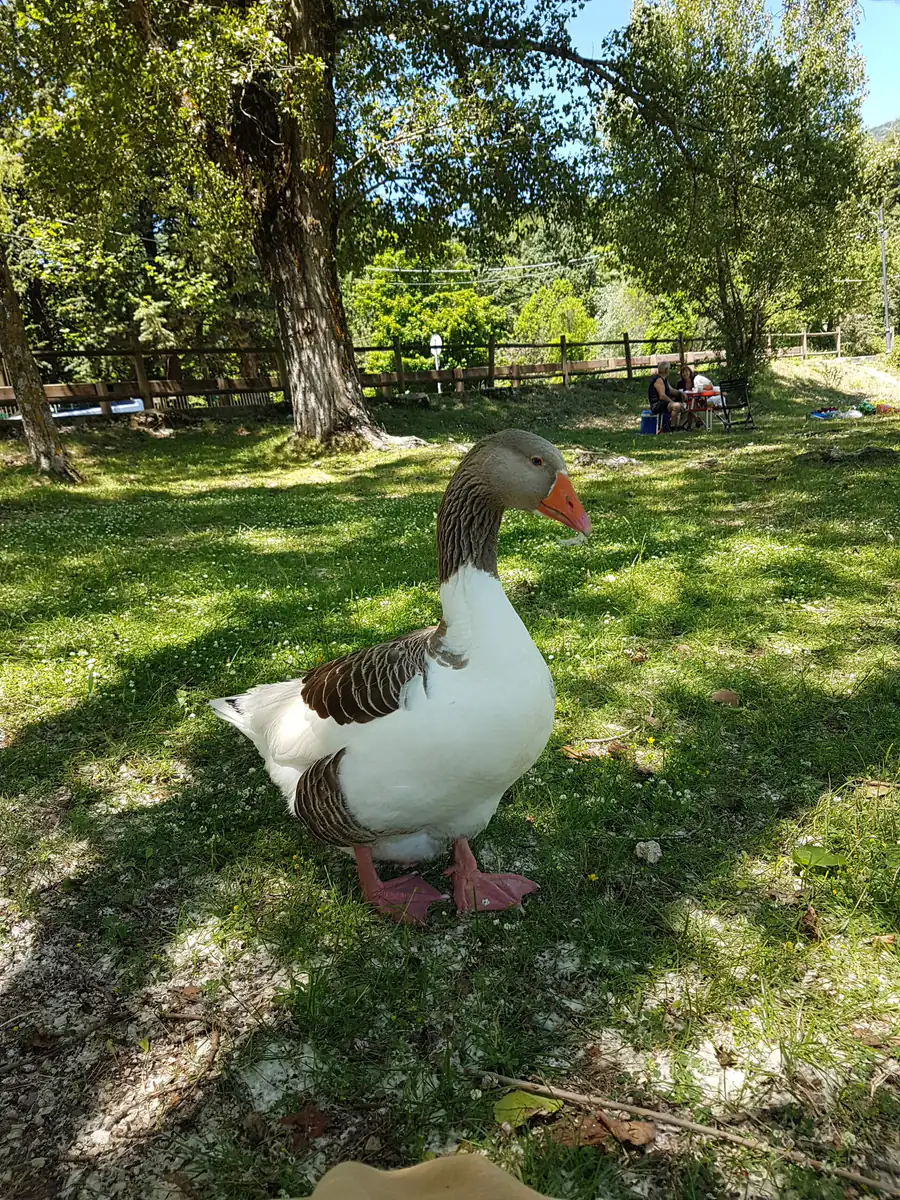
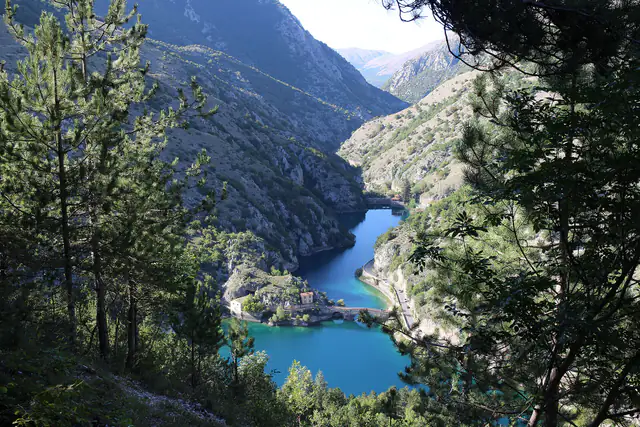
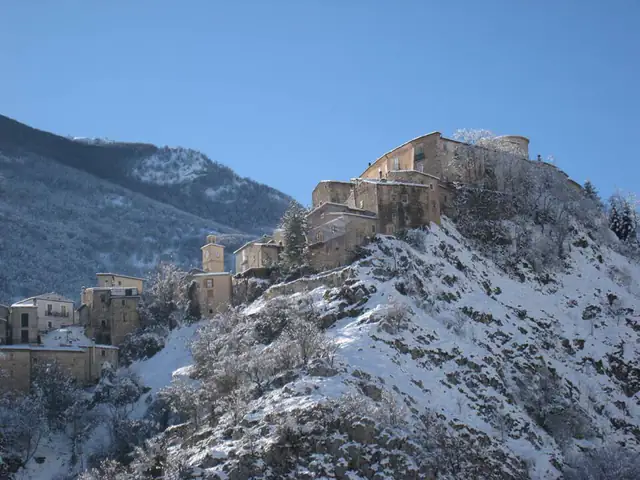
With the lake you find yourself in the heart of a valley that deserves a whole day. Just above is the village of Scanno, with its stone alleys and goldsmith workshops. Further up the Villalago valley opens, with Lake San Domenico and the Hermitage of San Domenico, and the Sagittario Gorges are the best way to arrive or leave. Towards the Park there is then Pescasseroli, gateway to trails and woods.
The lake changes its face with the seasons. Autumn is its most sought-after season: the beeches around it blaze between October and mid-November and the water doubles the colours. In summer you live the water, among pedalos, canoes, bike rides and picnics, but also among the August crowd: it is best to arrive at dawn, when the light is better and the shore is empty. In winter snow falls on the landscape and the lake is silent; in spring the greenery and the birds invite you to trek. Month by month, below you will find what to expect.
Everything you can do, on foot, by bike and on the water.
The route on the paved road is about five kilometres and almost flat: take it slowly, stopping on the shores and at the viewpoints.
It starts from the lake's large car park and climbs through the wood for about an hour to the viewpoint, from which the lake is seen heart-shaped. The descent takes three quarters of an hour.
In the warm season you can hire pedalos, canoes and small boats to cross the lake.
The route on a paved, almost flat road suits cycling; in summer bikes can also be hired.
Mallards, coots and, high above, falcons: with binoculars the lake is a good place to watch birds.
On the shores people picnic and, in summer, swim in the lake's cool water.
The morning light is the most beautiful and, in high season, it is also the only moment when the shores are empty.
Plants, birds, fish and animals you can meet, or only imagine, around the water.
The common reedbed is the most widespread plant community along the shores.
The trees on the shore are mostly white willows and poplars, with a lime tree near the mouth of the Tasso.
Mallards and coots are the easiest to see on the surface.
Peregrine falcons, marsh harriers, goshawks and nocturnal raptors live on the rocks and in the woods above the lake.
Brown trout, perch, pike and other species populate the waters; eels are also reported.
A small freshwater reptile, reported here but rare.
In the Park's territory around the lake live the Apennine wolf and the Marsican bear: encounters are very rare.
The stories told about the lake, which have given it a soul.
The almost symmetrical outline of the basin, seen from above, has become the symbol of the lake and, by extension, of Scanno.
A traveller caught in a snowstorm along the Sagittario road sees a small light and follows it: only afterwards does he realise he has crossed the frozen lake on foot. In some versions the light is the Madonna, in others the traveller then builds the church at the spot where he saw it.
Another tradition tells that the lake was born from a spell: in one version a witch and a wizard, and where the witch fell the lake appeared; in another a sorceress, Angiolina, made the water spring up beneath her kidnappers' feet.
The statue placed in a niche along a dangerous path, the chapel decided in 1697 and consecrated in 1702, the theft of 1979 and the copy the following year: the true story of a little church that travellers have always looked on with affection.
Best time: from July to October. The bars show how well suited the month is: the taller, the better.
Snow all around and great silence: the lake is viewed from the shore or from above, and the Sentiero del Cuore can also be done in winter with suitable shoes and equipment.
The heart of winter: the same activities as January, with a white landscape and few people.
The snow retreats up the slopes: the low trails clear, the high ones not yet.
A transitional season: the reedbeds and the surrounding woods begin to turn green again.
Bright green and mild temperatures: the period guidebooks indicate as ideal for trekking.
Long days: a walk or bike ride round the lake in the cool hours, and the first pedalos.
It is the season of the water: pedalos, canoes, picnics on the shores and, for those who want, a swim in the cool water.
Like July, but with more crowds: it is best to arrive at dawn, when the light is most beautiful and the shore is empty.
Fewer people and softer light: the water begins to mirror the first colours of autumn.
The foliage month: the high beech woods change colour in the first half, the lower ones afterwards, and the lake doubles the colours.
Foliage in the lower woods until mid-month, then short days and a quiet lake.
Cold and short days: with the first snows the lake prepares for its winter.
Postcards from the area, with the straight-line distance.
It is the season of the water: you experience the lake up close, between a walk, pedalos and picnics, but it is best to arrive early.
The most sought-after season: the woods blaze and the water doubles them. The right moment for the Sentiero del Cuore.
Few people, great silence and snow on the mountains: the lake is viewed from the shore and from the Sentiero del Cuore, if you are equipped.
It is a natural lake born from a landslide that, in prehistoric times, blocked the course of the river Tasso: the water built up behind the barrier and filled the basin. The sources disagree on when it happened and on the mountain from which the landslide broke away.
Read more: A lake born from a landslideThe outline of the basin, seen from above, is almost symmetrical, with a small notch in the upper part. The heart cannot be seen from the shore: you recognise it from the Belvedere del Cuore, reached on foot along the Sentiero del Cuore.
Read more: Why it is heart-shapedIt has a surface of about one square kilometre and a maximum depth of around thirty metres; the sources give values between 30 and 36 metres, which vary with the seasons.
Read more: A lake born from a landslideAbout 922 metres above sea level, in the upper Sagittario valley, in the province of L'Aquila.
Read more: Where Lake Scanno isYou can walk or cycle round the lake on the paved route of about five kilometres, climb to the Belvedere del Cuore along the Sentiero del Cuore, watch birds, picnic and, in summer, hire pedalos and canoes.
Read more: What to do at Lake ScannoAbout an hour to climb and three quarters of an hour to descend, with a height gain of around two hundred to two hundred and fifty metres. The lengths given by guidebooks vary, so it is best to check the map before setting out.
Read more: The Sentiero del Cuore (Heart Trail)Yes, in summer many people swim from the shores, but the water is cool. Before going in it is best to find out about the rules and the permitted areas.
Read more: What to do at Lake ScannoThe best months are July, August and September for the water and the long days, and October for the autumn colours. For snow and silence, January and February. In August it is best to arrive at dawn to avoid the crowd.
Read more: When to go, month by monthYou mostly see water birds such as mallards and coots, and raptors such as the peregrine falcon. In the water live trout, perch and pike; in the nearby woods, in the Park, there are wolves and bears, but encounters are very rare.
Read more: Wildlife: who lives at Lake ScannoIt is the church of the Madonna del Lago, a little white church between the rock and the shore. The chapel was decided in 1697 and consecrated in 1702 and holds a statue of the Madonna, whose copy replaces the original stolen in 1979.
Read more: The church on the water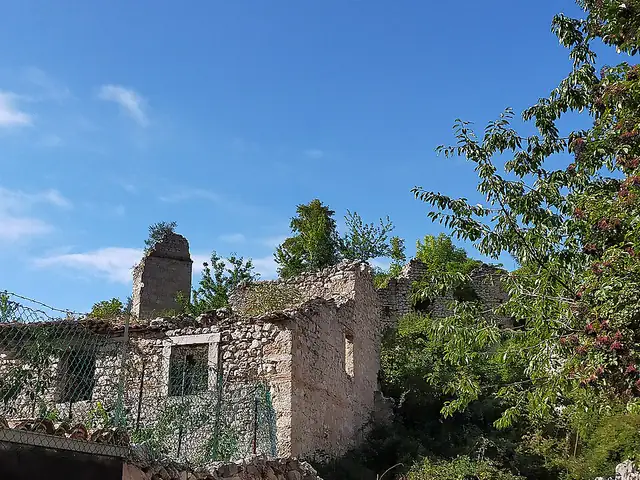
 2 km
 2 km
 2 km
 4 km
 4 km
 9 km