Lake San Domenico
AbruzzoAn emerald-green lake tucked between rock walls, with a stone bridge crossing it and, not far away, a cave where the saint of the snakes has been v…

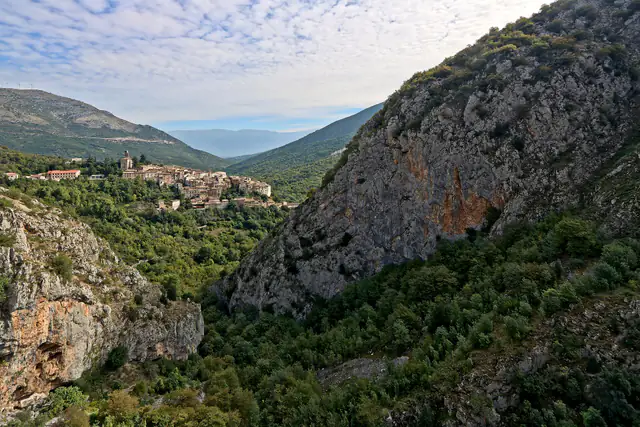
A stone village clinging to the side of a mountain, with houses held up by arches and, below, a green lake and a cave where the saint of the snakes is venerated. Villalago is the village from which everything worth seeing in the lower Sagittario valley begins.
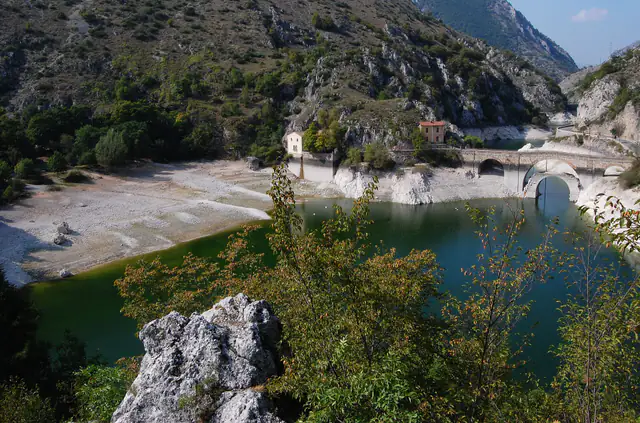
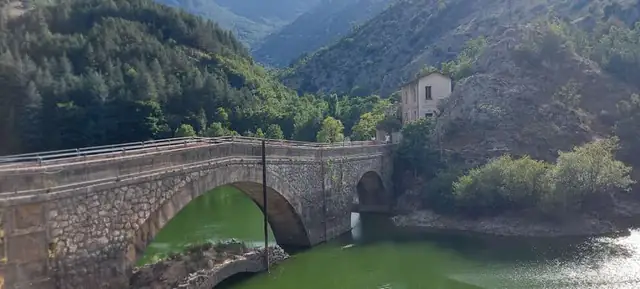
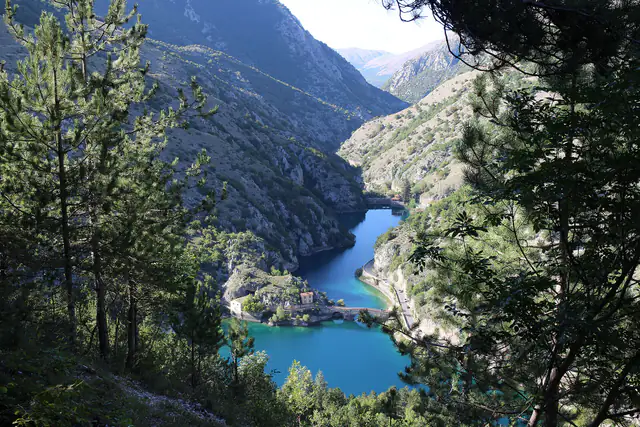
An emerald-green lake tucked between rock walls, with a stone bridge crossing it and, not far away, a cave where the saint of the snakes has been v…
A little stone church with a two-light portico, looking out over the green water of the lake, and behind the altar the entrance to a cave: it is th…
The second church of the old village.
A very easy path, of about two kilometres, leads from the village to Lake San Domenico and the hermitage.
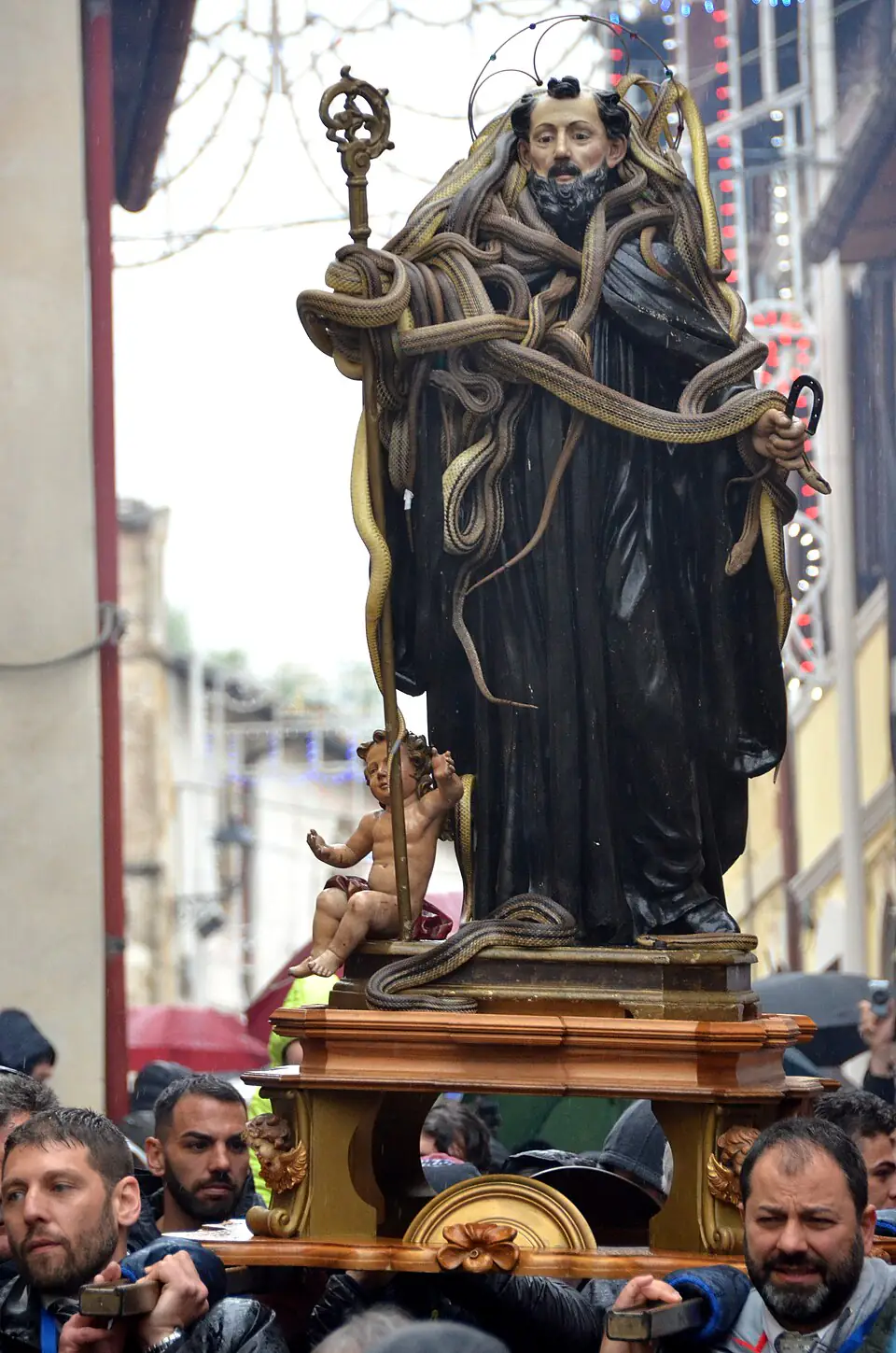
A second procession in honour of the saint, through the village streets.
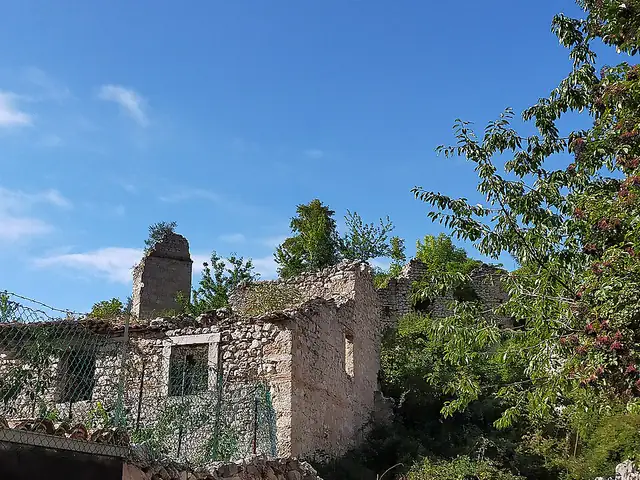
The village's oldest nucleus, probably of Lombard origin: of the stronghold the outer tower remains.
A stone village clinging to the side of a mountain, with houses held up by arches and, below, a green lake and a cave where the saint of the snakes is venerated. Villalago is the village from which everything worth seeing in the lower Sagittario valley begins.
It stands at 930 metres, a few kilometres from Scanno, and is the natural starting point for Lake San Domenico, the hermitage and the Sagittario Gorges. But it is worth a stop on its own: it has an old town of alleys, staircases and stone arches, and a small lake, Pio Lake (Lago Pio), a few minutes' walk away.
Villalago lies in the Sagittario valley, in the province of L'Aquila, on the flank of Monte Argoneta, at about 930 metres above sea level. The SR 479, the road climbing to Scanno, passes just below the village: downstream it links it to Anversa degli Abruzzi, from where you enter the Sagittario Gorges; upstream it leads to Lake San Domenico and then to Scanno.
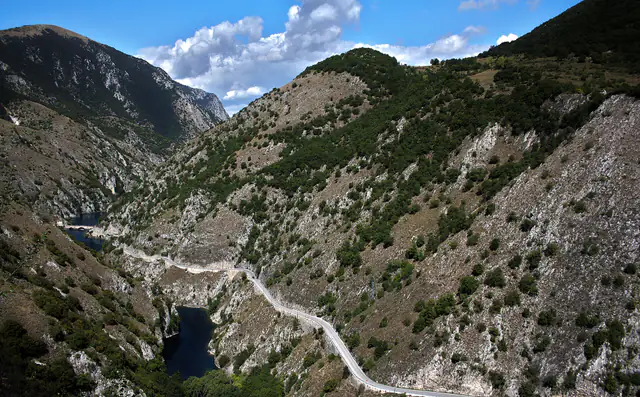
The yellow route follows the roads and links Villalago to nearby places; the dotted line is the short connection from the road to the place.
Data: © OpenStreetMap contributors (ODbL) · Relief from AWS Terrain Tiles (SRTM, EU-DEM and other open sources).The name recalls the lakes of the valley. In documents it appears around the year One Thousand as Villa de Lacu, and the village is said to have grown up around the monastery of San Pietro de Lacu, founded by San Domenico, the Benedictine monk who chose a hermit's life in this valley. The monastery no longer exists, but it left the village its birth, and the saint the cult that is still lived here. A second hypothesis links the name also to the Roman villas that stood in the valley.
The oldest nucleus is the fortress, probably of Lombard origin: it stands at the highest and steepest point of the village and served to defend and control the valley. Of the stronghold the outer tower remains, still easily recognisable.
Around it opens the old town, a maze of narrow alleys, staircases and stone arches, with houses held up by arches along the slope.
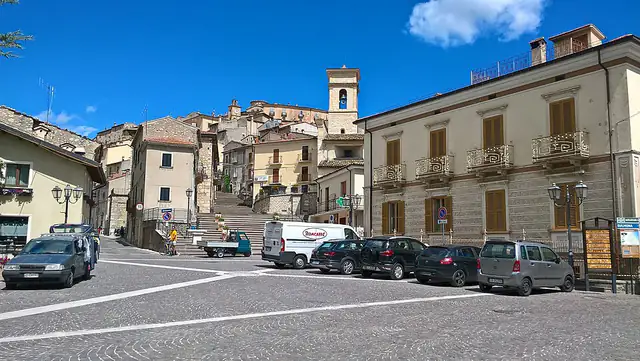
In Villalago there are five churches; two are in the old village: the little church of San Michele Arcangelo, of very ancient origins, and that of the Madonna Addolorata. The others lie outside the centre.
Among the emblematic buildings is the Vecchio Municipio (Old Town Hall), from the nineteenth century, which according to one guide houses a small museum of folk arts and traditions.
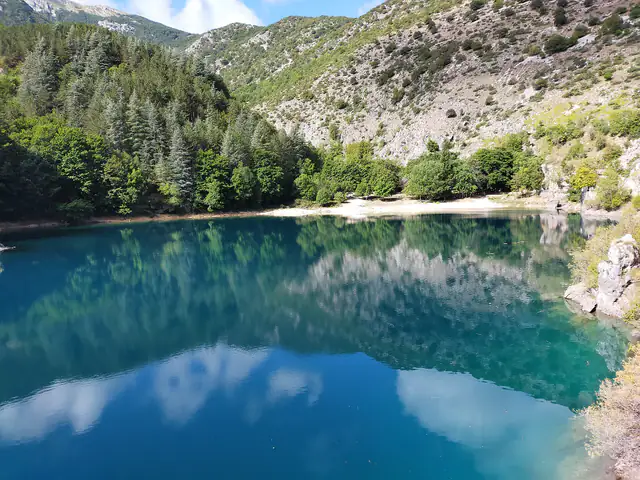
A few minutes' walk from the centre is Pio Lake (Lago Pio), a small natural lake of karst origin. On how it formed the sources disagree: some speak of the deposits of a landslide from Monte Genzana and some of underground tunnels that would link it to Lake Scanno.
It is protected by the regional nature reserve, established in 2005, which also includes Lake San Domenico. Around the lake runs an almost flat route of about a kilometre, the Sentiero dell'Orso e della Fauna Selvatica (Bear and Wildlife Trail), suitable even for those with a pushchair. Deer, foxes, hares and birds frequent the area and Pio Lake is one of the best spots to watch them, but sightings are never guaranteed.
Further down, along the road, is Lake San Domenico, with its stone bridge and emerald-green shore, and on its bank the Hermitage of San Domenico (Eremo di San Domenico), with the saint's cave. From the village a path goes down to it: guidebooks rate it very easy and about two kilometres long.
San Domenico is celebrated with the fanoglie, the great ritual bonfires made of bundles of brushwood and beech trunks that are lit in January in the streets and in the square. On Easter Monday a procession carries the relics to the monastic complex, and in August the saint's statue goes through the village streets.
Great ritual bonfires in honour of the saint.
The saint's relics carried to the monastic complex.
A second procession in honour of the saint, through the village streets.
From here you reach in a few minutes the loveliest places of the valley: Lake San Domenico and the hermitage, the Sagittario Gorges, Lake Scanno and Scanno; downstream you descend to Anversa degli Abruzzi.
The village can be visited in every season, but the landscape around changes a lot. May, June, September and October are the loveliest months, with October for the colours of the woods on the shores; in January there are the fanoglie. Month by month, below you will find what to expect.
A small village, but with plenty to look at up close.
The oldest nucleus, probably of Lombard origin: of the stronghold the outer tower remains, looking over the valley.
The old town is explored on foot: narrow alleys, stone steps and houses held up by arches along the slope.
A few minutes from the centre, an almost flat route of about a kilometre around a small karst lake where you can see deer and birds.
A very easy path, of about two kilometres, leads from the village to Lake San Domenico and the hermitage.
Best time: from May to June and from September to October. The bars show how well suited the month is: the taller, the better.
The great silence of winter and, in January, the fanoglie lit in honour of the saint.
Festivals and traditions Fanoglie of San Domenico
Still winter: short days and few people, suited to a short visit.
The thaw melts the snow on the slopes and green begins again around the lake.
Tender green and soft light: a good time to walk down to the hermitage.
Festivals and traditions Easter Monday procession with the relics
The lake is green, the woods are fresh and there are few crowds: one of the loveliest months.
Long days and long light on the water: Pio Lake and the path to the hermitage are largely in shade.
The heat pushes you to look for the cool hours; shaded routes help.
A month of heavy traffic towards Scanno: it is best to arrive early in the morning.
Festivals and traditions Procession of San Domenico through the village streets
Less traffic on the road and colours beginning to change: excellent for photography.
The woods light up and double their colours on the water of the lakes.
Fallen leaves and short days: the village is quiet and the light is low.
Cold and short days: a quick stop along the road.
Postcards from the area, with the straight-line distance.
Fresh green and soft light: the moment to walk down to the hermitage and walk round Pio Lake.
The woods light up around the lakes: the season most sought after by photographers.
A quiet village and, in January, the fanoglie of San Domenico.
In the Sagittario valley, in the province of L'Aquila, at about 930 metres above sea level on Monte Argoneta, along the SR 479 that climbs to Scanno.
Read more: Where Villalago isThe old town with the fortress and the arched alleys, Pio Lake, Lake San Domenico and the Hermitage of San Domenico, a few minutes from the village.
Read more: The fortress and the alleys of the old townThe name recalls the lakes of the valley: in documents it appears around the year One Thousand as Villa de Lacu, and the village is said to have grown up around the monastery of San Pietro de Lacu.
Read more: A village born around a monasteryA small natural lake of karst origin, a few minutes' walk from the centre, protected by the regional nature reserve; around it runs an almost flat route of about a kilometre.
Read more: Pio Lake and the reserveDeer, foxes, hares and birds frequent the Pio Lake area, which is one of the best spots to watch them, but sightings are not guaranteed.
Read more: Pio Lake and the reserveYes: a very easy path, of about two kilometres, goes down from the village to Lake San Domenico and the hermitage.
Read more: Lake San Domenico and the hermitageThey are great ritual bonfires in honour of San Domenico, made of bundles of brushwood and beech trunks, lit in January in the streets and the main square.
Read more: The saint's festivalsA few kilometres, along the SR 479: they are the two main villages of the Sagittario valley.
Read more: After VillalagoMay, June, September and October are the loveliest months, with October for the colours of the woods; in January the fanoglie are lit.
Read more: When to go, month by month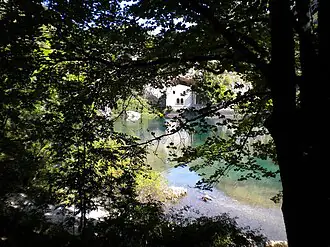
 2 km
 2 km
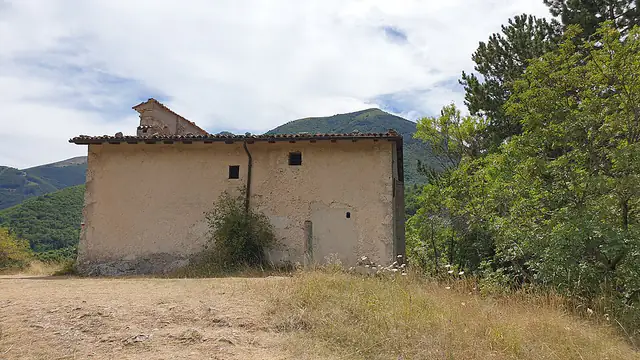 4 km
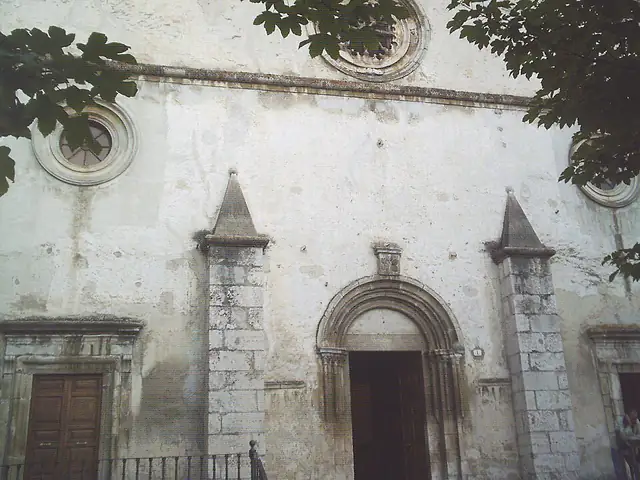 5 km
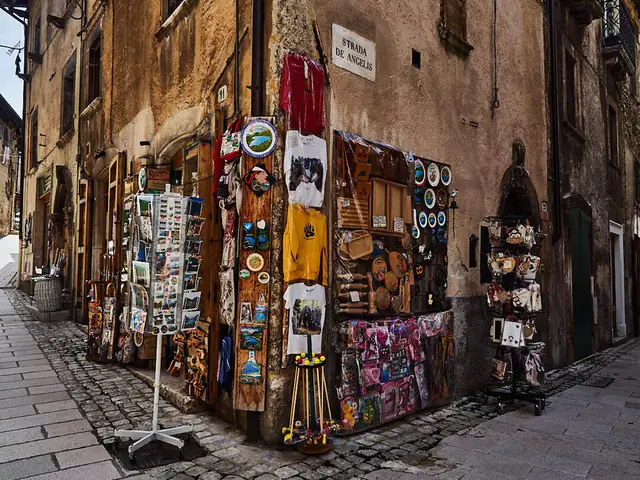 5 km
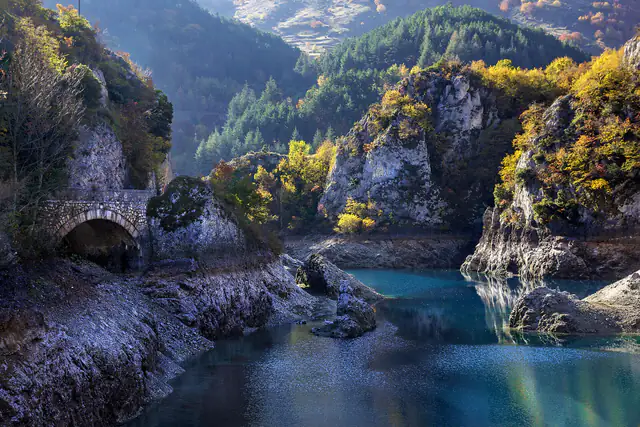 7 km
 7 km
 12 km